For decades, industrial equipment manufacturers treated the sale of a machine as the finish line. In many sectors, it was almost the end of the commercial relationship: the asset was delivered, installed, and put to work, while service was handled reactively, often through a maintenance contract that felt more like an obligation than a growth engine. That model is changing fast.
Today, aftermarket services are becoming one of the most important sources of growth in industrial equipment support. Spare parts, maintenance, remote monitoring, upgrades, refurbishment, training, and digital service subscriptions are no longer peripheral add-ons. For many OEMs and service providers, they are the most stable and profitable part of the business. In a market shaped by volatile demand, supply chain disruptions, labor shortages, and pressure to improve asset efficiency, the aftermarket is increasingly where the real value is created.
The logic is simple. Industrial assets are expensive, complex, and critical to operations. Once deployed, they require continuous support to maintain performance, safety, and uptime. And in industries such as energy, manufacturing, mining, logistics, and process automation, every hour of downtime can translate into significant financial loss. That makes aftermarket support not just a service line, but a strategic lever.
Why the aftermarket has become a growth engine
The shift toward aftermarket-led growth is closely tied to the economics of industrial equipment. Selling a machine often delivers a one-time margin, while supporting that machine over a 10- to 20-year lifecycle can generate recurring revenue streams. In other words, the asset sale may open the door, but the service relationship keeps it open.
There are several reasons why this model has gained momentum.
First, customers are under pressure to maximize asset utilization. Capital expenditure remains scrutinized, and operations teams are expected to do more with less. That means they want equipment that performs reliably over time, not just at commissioning. They are also increasingly willing to pay for uptime guarantees, predictive maintenance, and performance-based contracts if those services reduce risk.
Second, aftermarket services provide resilience for manufacturers. Equipment sales are cyclical and sensitive to macroeconomic conditions, while service demand is typically more stable. Even when new orders slow, installed bases still need parts, maintenance, and support. That stability is attractive to companies seeking to smooth revenue volatility. In fact, many industrial players now describe aftermarket as a buffer against the business cycle, and with good reason.
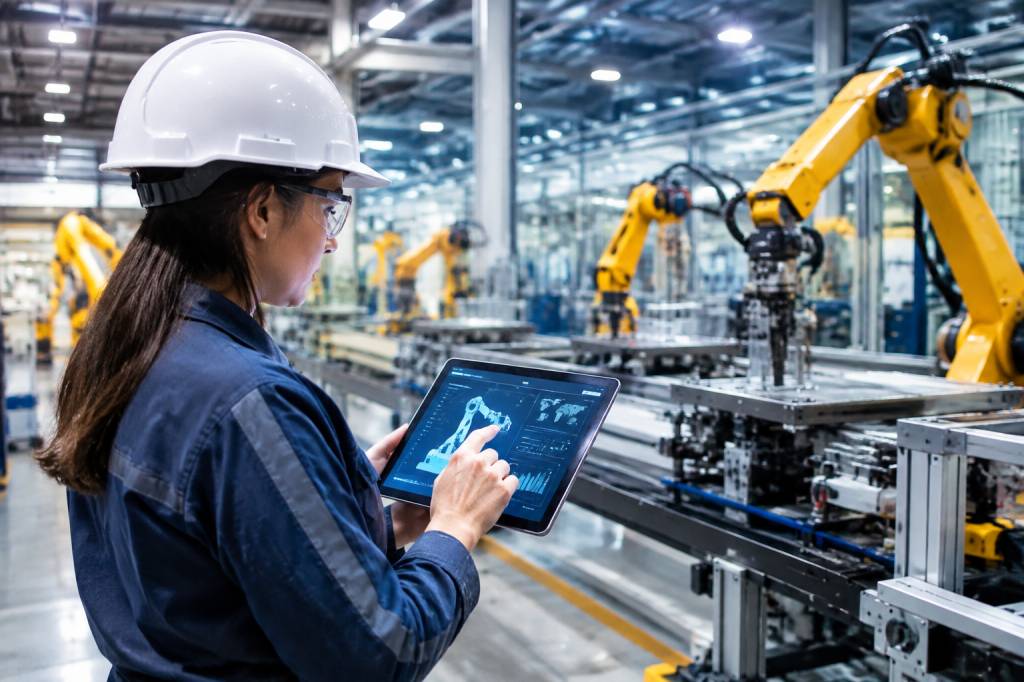
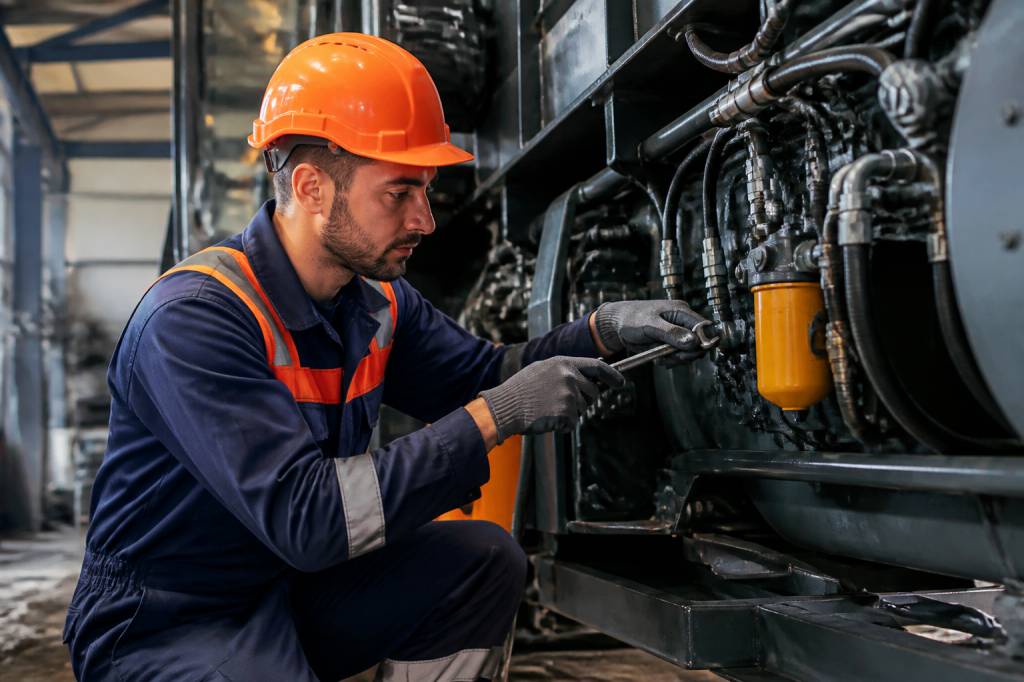
Third, digital tools have made service delivery more efficient and more valuable. Remote diagnostics, connected sensors, and analytics can detect failures before they happen. Field technicians can arrive with the right parts and the right information. This reduces downtime for customers and improves first-time-fix rates for service providers. The result is a stronger value proposition on both sides of the contract.
Recurring revenue is only part of the story
Aftermarket services are often discussed in terms of recurring revenue, but that is only part of the picture. The deeper strategic benefit is customer intimacy. Service teams see how equipment performs in real operating conditions, where it fails, how users interact with it, and which upgrades matter most. That information is gold.
It helps OEMs improve product design, refine maintenance schedules, and identify unmet needs. A machine that repeatedly experiences the same failure in the field may not just need a better spare part; it may need a redesign. A recurring request for energy optimization may point to a new digital service offering. This feedback loop turns the aftermarket into a source of innovation.
It also strengthens customer retention. Once a manufacturer supports an installed base through parts, service contracts, training, and digital platforms, switching costs rise. Customers are less likely to move to a competitor if the current provider understands their assets, their processes, and their performance targets. In industrial markets, that familiarity matters. Trust is built slowly, often one maintenance visit at a time.
There is a commercial advantage as well. Service relationships often expand into higher-margin offerings over time. A basic maintenance contract can evolve into remote monitoring, predictive analytics, equipment modernization, or lifecycle management. For companies with a large installed base, this creates a clear path to higher wallet share without waiting for the next capital cycle.
Digitalization is reshaping industrial support
The aftermarket is not just growing; it is changing shape. Digital technologies are moving it from reactive support to proactive performance management.
Connected equipment is now common in sectors ranging from power generation to manufacturing lines and heavy machinery. Sensors collect temperature, vibration, pressure, throughput, and other operational data. Analytics platforms interpret that information and flag anomalies before they trigger failures. In practical terms, this means service providers can intervene earlier, reduce unplanned downtime, and optimize spare parts inventory.
Remote service has also expanded sharply. During the pandemic, many industrial players accelerated the adoption of remote diagnostics and virtual assistance. That shift has not reversed. Why send a technician on-site for a software issue if the problem can be solved remotely in minutes? The answer, increasingly, is that you do not.
For customers, the benefit is speed and lower operational disruption. For service providers, the benefit is scale. A single expert can support multiple sites remotely, improving productivity and extending technical expertise across a wider installed base. That matters in a market where experienced field technicians are harder to recruit and retain.
Digital spare parts management is another important development. Advanced planning tools can forecast demand, improve inventory allocation, and reduce stockouts. In industries where a missing part can halt production, those capabilities are not nice-to-have features. They are a competitive advantage.
Of course, digitalization also raises expectations. Customers now expect faster response times, transparent asset data, and service offers tailored to their operating profiles. The old model of “call us when it breaks” is losing relevance. In its place is a more data-driven relationship, where uptime is the metric that counts.
What customers want from aftermarket support
Industrial buyers are increasingly selective. They do not just want spare parts; they want outcomes. And that is changing how service portfolios are designed and sold.
In many cases, customers are asking for:
- Faster response times and guaranteed service levels
- Predictive maintenance based on real-time equipment data
- Access to certified parts and traceable supply chains
- Technical training for in-house teams
- Asset modernization and retrofit solutions
- Energy efficiency upgrades and emissions-reduction support
This is especially visible in sectors facing intense pressure to improve both productivity and sustainability. A plant manager who can extend equipment life by five years, reduce energy consumption by 8%, and avoid an unplanned shutdown is not just buying service. They are buying operational continuity.
That point is important because aftermarket support is no longer only about fixing what is broken. It is about helping customers extract more value from existing assets. In a period when many industrial organizations are delaying new capital projects, refurbishment and upgrade services have become particularly attractive. They allow operators to improve performance without full replacement costs.
It is also worth noting that service expectations vary by segment. In oil and gas, downtime is expensive and safety-critical. In food and beverage, hygiene and traceability are central. In mining, remote location and harsh operating conditions shape service design. A one-size-fits-all approach rarely works. The best aftermarket strategies are built around use cases, not just product lines.
The economics favor companies that build service depth
One reason aftermarket services have attracted so much attention is that they can improve margins. Parts and service often carry higher profitability than original equipment sales, especially when the provider has proprietary technology, a large installed base, or strong aftermarket logistics. That does not mean service is easy money. It requires skilled labor, inventory discipline, and strong customer engagement. But when executed well, it can be a powerful margin stabilizer.
There is also a revenue quality argument. Recurring service contracts are more predictable than project-based equipment orders. For investors, that predictability often improves visibility. For management teams, it supports planning and capital allocation. For customers, it provides assurance that support will remain available over the asset lifecycle.
Several industrial OEMs have already reoriented their business models accordingly. They are investing in service hubs, expanding field service networks, and building digital platforms that connect equipment, technicians, and customers. Some are bundling equipment sales with multi-year support agreements. Others are moving toward availability-based models, where compensation depends on equipment performance rather than just service hours.
This evolution changes the relationship between OEM and operator. The provider is no longer just selling a product; it is committing to performance. That raises the bar, but it also deepens the commercial relationship. As one industrial services executive recently put it in a sector forum, “If we know more about the asset than anyone else, we should be the one managing its lifecycle.” That is a strong argument, and an increasingly common one.
Sustainability is giving aftermarket services a new role
There is another reason the aftermarket is gaining traction: sustainability. Industrial operators are under pressure to reduce emissions, improve resource efficiency, and extend asset life. Aftermarket services fit naturally into that agenda.
Refurbishment, remanufacturing, upgrades, and parts replacement can reduce the need for new raw materials and lower embedded carbon. Extending the lifespan of a turbine, compressor, pump, or production line component often has a smaller environmental footprint than replacing it entirely. In sectors where circularity is becoming a strategic priority, this matters.
Service providers are also helping customers optimize energy use. Smart maintenance can prevent efficiency losses caused by wear, misalignment, or poor calibration. Digital monitoring can identify operating patterns that waste energy. In some applications, service teams can recommend retrofits that cut consumption and support compliance with emissions targets.
For OEMs, this creates a useful bridge between profitability and ESG. Aftermarket services can support decarbonization goals while strengthening customer relationships and generating revenue. That is a rare combination, and one reason the segment is drawing stronger executive attention.
What successful players are doing differently
Not every company benefits from the aftermarket in the same way. The strongest performers tend to share a few characteristics.
- They have a clear view of their installed base and understand where service demand is likely to emerge.
- They invest in data infrastructure so equipment performance can be tracked and analyzed.
- They align sales, service, and product teams instead of operating them in silos.
- They standardize core service offers while leaving room for industry-specific customization.
- They treat service technicians as strategic assets, not just operational resources.
Just as importantly, they measure service performance with the same seriousness they apply to product sales. Response time, first-time-fix rate, contract renewal rate, parts availability, and customer satisfaction all matter. If service is expected to drive growth, it needs its own discipline and metrics.
Some of the most interesting developments are happening at the intersection of service and software. Equipment manufacturers are increasingly turning maintenance data into advisory services, benchmark reports, and optimization tools. In effect, they are packaging expertise. That is a subtle but important change. The product is still physical, but the value proposition is becoming more informational.
A strategic shift that is likely to accelerate
Aftermarket services are no longer an auxiliary activity at the edge of industrial equipment support. They are moving to the center of the business model. The reasons are clear: customers need uptime, manufacturers need recurring revenue, digital tools make service smarter, and sustainability pressures favor lifecycle optimization.
For industrial companies, the question is no longer whether the aftermarket matters. It is how quickly they can build a service model that is scalable, data-driven, and aligned with customer outcomes. Those that do will not only support equipment more effectively. They will also create a stronger, more resilient business.
And in a sector where reliability is everything, that may be the most valuable service of all.